
Cannabis associations, often called cannabis clubs, are gaining popularity worldwide. These organizations offer a safe space for cannabis enthusiasts to gather and enjoy their passion.
They operate under local laws, ensuring a legal environment for members. Typically, these clubs function as non-profit entities, focusing on community and education.
Members pay a fee to access the club's facilities and cannabis products. This fee supports the club's operations and community activities.
Cannabis associations promote responsible consumption and provide educational resources. They often host events, workshops, and advocacy opportunities.
The legal status of these clubs varies by region, with some areas more permissive than others. In Spain, for example, they are known as "clubs cannabicos."
Joining a cannabis association usually requires an invitation or referral. This ensures a trusted and secure community for all members.
Cannabis clubs offer a private setting for consumption, beneficial where public use is restricted. They also provide delivery services for those who prefer not to visit in person.
Overall, cannabis associations play a crucial role in fostering a supportive community for cannabis users.
What is an Association Cannabica?
An association cannabica is more than just a club for cannabis lovers. These entities provide a controlled and secure space for cannabis consumption.
They often function as community centers where education and advocacy are key. Members benefit from shared knowledge and collective experiences.
Operating within the legal framework, these associations ensure compliance with regulations. This enables them to maintain a safe environment for responsible cannabis use.
Key characteristics of an association cannabica include:
- Legal and regulated operation
- Community and member-focused
- Educational and advocacy-driven
These clubs also contribute to destigmatizing cannabis. They promote positive perceptions by offering a welcoming space for like-minded individuals.

Members find a sense of belonging and solidarity. This is crucial in fostering a supportive community. Cannabis associations are growing in presence and influence, reflecting broader societal shifts toward cannabis normalization.
Overall, joining an association cannabica is about more than cannabis. It's about community, education, and making meaningful connections.
The Legal Framework of Cannabis Clubs
Cannabis clubs exist in a complex legal environment. Different regions have unique regulations governing their operations.
In areas like Spain, these clubs are permissible under specific conditions. They operate as non-profit associations and must comply with local laws.
The legal framework often requires registration with governmental bodies. This ensures a level of oversight and accountability.
Despite legalization efforts, cannabis clubs face challenges. They navigate legal gray areas, balancing community needs with regulatory compliance.
Typical regulations for cannabis clubs include:
- Non-profit status
- Restricted access to members only
- Prohibition of public advertising

Adhering to these rules is vital. Clubs that follow regulations help promote safe and responsible cannabis use. This fosters trust and partnership with local authorities.
However, the legal landscape is continually evolving. Advocacy and legal reform movements aim to expand rights and protections for these associations.
Understanding local laws is crucial for potential members. It ensures they engage with clubs that align with their values and legal standards.
In summary, while cannabis clubs operate under varying legal conditions, they continue to thrive. Their role in promoting responsible consumption remains critical amid shifting regulations.
How Cannabis Associations Operate
Cannabis associations generally operate with transparency and community focus. Their primary goal is to create a safe space for enthusiasts.
These clubs are often member-driven. Members share responsibilities and help decide the club's activities and offerings.
Financially, clubs usually function on membership fees and contributions. These help maintain facilities and support club activities.
Most associations operate on a non-profit model, prioritizing members over profits. This model fosters a sense of community and support.
Typical operations of a cannabis association include:
- Organizing events and social gatherings
- Offering educational workshops and resources
- Providing a safe environment for consumption
- Ensuring compliance with local laws
Members often influence club operations through participation and feedback. This communal involvement promotes a shared sense of ownership.
Each club has its unique culture and practices. They range from small, intimate groups to larger associations with diverse offerings.
Overall, cannabis associations thrive on collaboration. Their emphasis on member involvement and community building distinguishes them from other social clubs.
Membership: How to Join a Cannabis Club
Joining a cannabis club often begins with an invitation or referral. This process ensures a community of trusted members.
Many clubs require an interview or orientation for new members. This step helps newcomers understand the club's policies and culture.
Most cannabis associations ask for a membership fee. This fee supports the club's facilities and activities, maintaining a welcoming environment.
Clubs typically have certain eligibility criteria. Age restrictions and residency requirements are common, keeping in line with legal regulations.
If you're interested in joining, consider the following steps:
- Seek recommendations from existing members
- Search for local clubs online
- Contact clubs to inquire about membership openings
- Attend informational sessions or open days
- Prepare for potential interviews or orientations
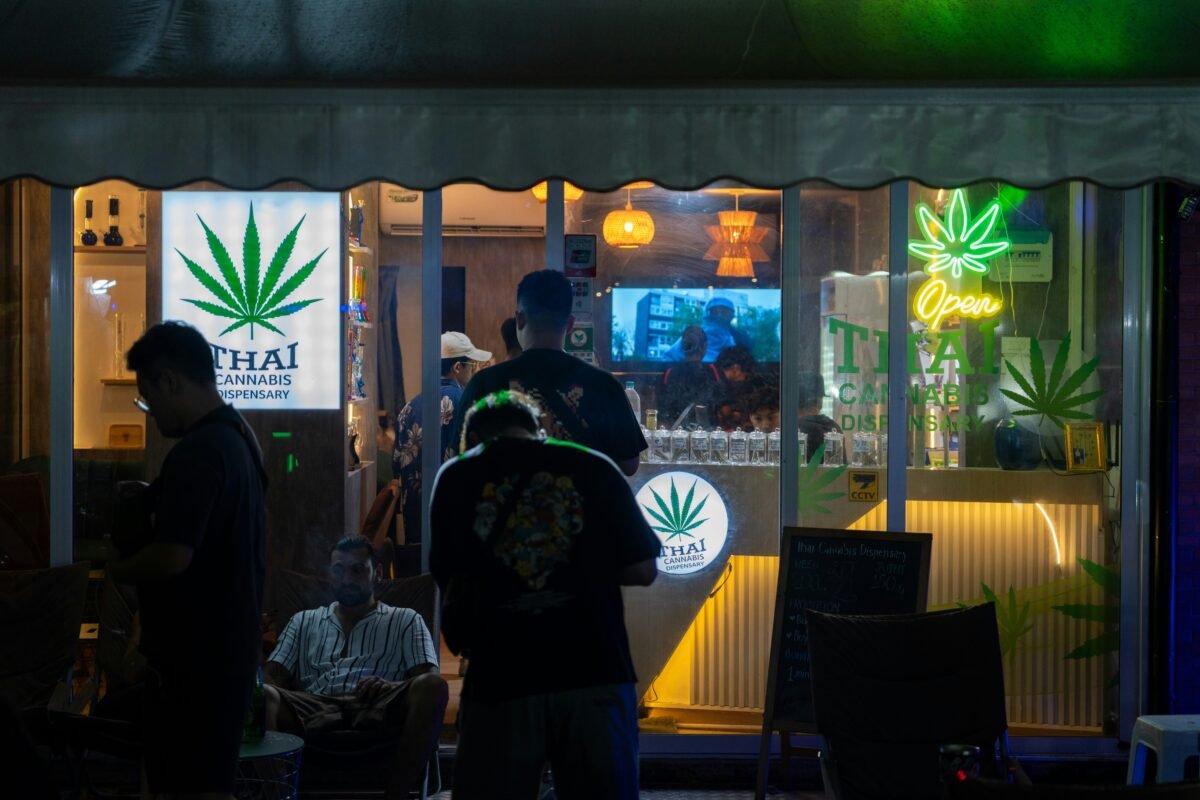
Membership: How to Join a Cannabis Club
Joining a cannabis club often begins with an invitation or referral. This process ensures a community of trusted members.
Many clubs require an interview or orientation for new members. This step helps newcomers understand the club's policies and culture.
Most cannabis associations ask for a membership fee. This fee supports the club's facilities and activities, maintaining a welcoming environment.
Clubs typically have certain eligibility criteria. Age restrictions and residency requirements are common, keeping in line with legal regulations.
If you're interested in joining, consider the following steps:
- Seek recommendations from existing members
- Search for local clubs online
- Contact clubs to inquire about membership openings
- Attend informational sessions or open days
- Prepare for potential interviews or orientations